Loabah: A Pixel-Inspired Typeface with Modern Appeal
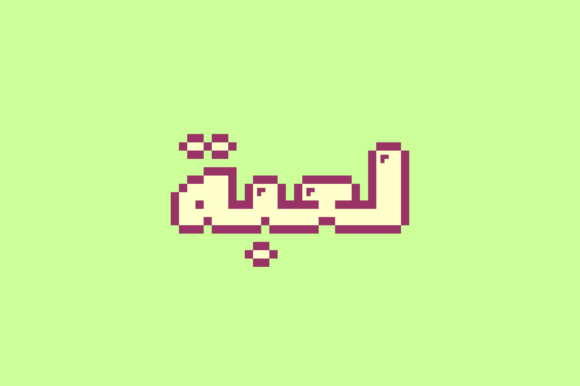
Finding a font that captures a specific mood without looking dated is a constant challenge for designers. You want something with personality, something that stands out, but it also needs to be functional. That’s where a typeface like Loabah comes in. Inspired by the 8-bit graphics of the 1980s, this single-weight Arabic display font brings a distinct, playful energy to creative projects. The name itself, Loabah لعبة, means "Game" or "Toy" in Arabic, immediately signaling its character. It’s not a font for long body text, but for headlines, logos, and branding elements where you need to make a memorable impression.
What makes a font like this visually appealing? It’s the blend of nostalgia and clarity. The design takes the blocky, pixelated forms of early video games and refines them into a clean, modern typeface. This isn’t just a rough copy of old graphics; it’s a thoughtful interpretation. The shapes are consistent, the spacing is considered, and the overall effect is one of intentional, retro-inspired design. For a brand or project that wants to communicate fun, creativity, nostalgia, or a connection to digital culture, Loabah offers a direct visual shortcut.
Practical Applications for Creative Projects
The true test of any creative font is how it performs in real-world scenarios. Loabah is a display font, meaning it’s designed to be used at larger sizes for impact. Think of it as the typographic equivalent of a bold graphic or a catchy tagline. Its clear, geometric forms make it surprisingly versatile across different mediums.
For logo design, especially for brands in gaming, tech, entertainment, or children's products, Loabah can form the core of a brand's visual identity. It instantly sets a tone. Pair it with a simple sans serif font for body text, and you have a balanced system. In packaging design, it can make a product pop on a shelf, particularly for snacks, toys, or tech accessories aiming for a youthful or nostalgic demographic.
Digital applications are where this font truly shines. Use it for social media graphics to create scroll-stopping posts and stories. It’s perfect for promotional banners, event announcements, or quotes that need a strong visual voice. On a website, it can be used for hero sections, feature titles, or call-to-action buttons to inject energy into the user experience. For blog headers or article titles, it can help establish a unique editorial voice.
Beyond the screen, Loabah works well in print materials like posters, flyers, and invitations for events with a fun, casual theme. Think of a retro arcade night, a gaming tournament, or a creative workshop. It can also add character to merchandise like t-shirts, stickers, and mugs. The key is using it strategically as a headline or accent font, not for paragraphs of information.
Integrating Loabah into Your Design Workflow
Choosing the right font is about matching typography to your project's goals. Ask yourself: what is the core message? Who is the audience? If you're designing for a sophisticated financial institution, Loabah probably isn't the right fit. But if you're creating a brand identity for an indie game studio, a retro-themed café, or a children's educational app, it could be a perfect match.
A crucial step is font pairing. A powerful display font like this needs a quieter partner. Combining Loabah with a neutral serif font or a clean sans serif font for longer text creates hierarchy and ensures readability. Test different combinations. See how the weights and sizes interact. The goal is contrast that guides the viewer's eye, not competition that creates confusion.
Readability is always a consideration. While Loabah is designed for clarity at display sizes, avoid using it for small text, lengthy captions, or dense information. Its strength is in short, impactful phrases. Always test your designs at the intended viewing size—what looks great on a large monitor might become unclear on a mobile screen or when printed small.
When you acquire a premium font like this, review the included font styles and character sets thoroughly. Check for OpenType features, alternate glyphs, or stylistic sets that can add variety to your designs. Understand the commercial licensing. Most licenses are clear about allowed uses (e.g., for a single client, for a certain number of computers, or for merchandise). Respecting the license protects you legally and supports the designers who create these valuable design assets.
Beyond the Basics: Strategic Branding Considerations
Using a distinctive typeface like Loabah is more than just a stylistic choice; it's a branding decision. It contributes to visual consistency across all your materials. When your audience sees that unique, pixel-inspired lettering, they begin to associate it with your brand, building brand recognition. This consistency across your website, social media, and print materials creates a professional and cohesive presentation.
For content creators and marketers, a font with this much character can significantly boost audience engagement. A visually interesting headline or graphic is more likely to be noticed, shared, and remembered. It helps your content stand out in a crowded feed or on a busy webpage. It tells a story about your brand's personality before a single word of your message is read.
Think of Loabah as a tool in your creative toolkit, not a universal solution. It’s a creative font for specific purposes. Used thoughtfully, it can inject energy, nostalgia, and personality into your projects. Whether you're a designer crafting a brand identity, a small business owner developing packaging, or a blogger designing social media graphics, understanding how and when to deploy a font like this can make your visual communication more effective and memorable. The best modern typography isn't about following trends blindly, but about selecting the right voice for the message you need to convey.