Real Time: A Slab Serif That Commands Attention
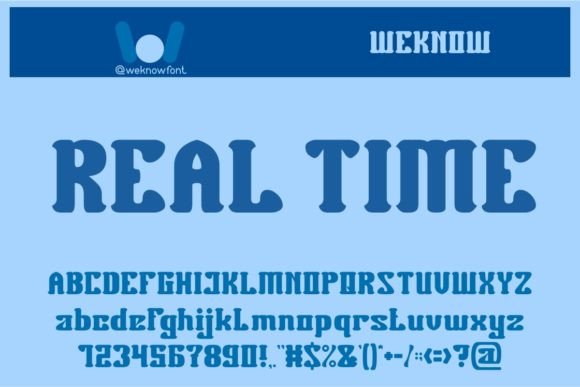
There’s a moment in every design project where you realize the font you’ve been using just isn’t cutting it. It might be too generic, too soft, or too forgettable. You need something with presence—something that feels confident and contemporary without trying too hard. That’s where a typeface like Real Time enters the conversation. It’s a slab serif display font built for projects that demand to be noticed, whether you’re designing a logo, a movie poster, or the branding for a new podcast. Its character lies in that balance: it’s bold and structured, yet carries a cool, almost editorial edge that makes it versatile for both digital and print work.
Why Slab Serifs Still Make Sense
Slab serifs have a long history in typography, originally designed for legibility in advertising and posters. Today, they’ve evolved into a tool for creating visual weight and stability. Real Time takes that legacy and updates it with a modern sensibility. The serifs aren’t overly decorative; they’re clean and geometric, giving the font a grounded, reliable feel. This makes it an excellent choice for brand identities that want to convey trust and solidity without feeling outdated. Think of a boutique coffee roaster, a tech startup, or an independent music label—each could use Real Time to project a sense of authority and style.
What makes it particularly useful is its dual nature. It works beautifully as a headline font, where its proportions and details can shine at larger sizes. But it also holds up surprisingly well in shorter blocks of text, like pull quotes or subheadings, where you need impact without sacrificing readability. This adaptability is key when you’re building a cohesive visual language across different mediums.
Putting Real Time to Work Across Your Projects
Let’s get practical. How does a font like this actually function in real-world scenarios? Consider a small business owner developing their brand identity. The logo sets the tone, and Real Time’s strong letterforms provide an instant visual anchor. It’s distinctive enough to be memorable, yet neutral enough to pair with other typefaces. A common strategy is to combine it with a clean sans-serif for body copy, creating a hierarchy that’s both dynamic and easy to follow.
For content creators and marketers, consistency is everything. Using Real Time across social media graphics, YouTube thumbnails, and website headers helps build a recognizable aesthetic. Its display nature ensures your message pops in a crowded feed, while its structured design maintains a professional look. When designing packaging, the font’s clarity at various sizes ensures product names and key details are instantly readable on shelf or screen.
Don’t overlook print applications either. Event posters, magazine covers, and book titles often rely on display fonts to set the mood. Real Time’s slightly retro yet contemporary vibe can evoke a sense of timelessness, perfect for editorial layouts or music festival branding. For digital products like e-books or online course materials, using it for chapter headings or key quotes can elevate the perceived value and make the content more engaging.
Finding the Right Fit for Your Visual Goals
Choosing a font isn’t just about what looks good in isolation; it’s about what serves the project’s objectives. Ask yourself: What personality should the brand or design convey? If the answer involves strength, clarity, and a touch of modern cool, Real Time is worth exploring. It’s particularly effective for projects in the apparel industry, entertainment, or any field where a bold, confident voice is needed.
One of the most important steps in the design process is testing. Before committing, see how the font behaves in your specific context. Does it align with your color palette? How does it interact with your imagery? Try pairing it with different styles—a script font for a touch of elegance, or a geometric sans-serif for a more minimalist approach. The goal is to create a harmonious system where typography supports the overall message rather than competing with it.
Readability should always be a priority, even with display fonts. While Real Time is designed for impact, ensure that any text set in it—especially at smaller sizes—remains legible. This might mean increasing line spacing or adjusting letter spacing slightly. For body text, it’s best to reserve it for short bursts and use a more neutral font for longer paragraphs.
Practical Considerations for Commercial Use
If you’re using Real Time for a client project or commercial venture, licensing is a critical detail. Most premium fonts come with specific terms that dictate how they can be used—whether for a single project, multiple clients, or in digital products for sale. Always review the license agreement to avoid legal issues down the line. Some font packages include multiple styles (like bold, italic, or condensed versions), which can expand your creative options and help maintain consistency across different weights of your design.
Investing in a quality typeface is investing in your project’s visual foundation. A well-chosen font like Real Time doesn’t just make things look better; it communicates subconsciously to your audience. It tells them you’ve paid attention to detail, that you value quality, and that your brand or message is worth their time. Whether you’re a designer refining a client’s identity, an entrepreneur launching a new product, or a hobbyist crafting a personal project, the right typography can be the silent workhorse that ties everything together.
In the end, the best font is the one that disappears into the design while making everything else feel more intentional. Real Time has that quality—it’s a tool that, when used thoughtfully, helps you create work that feels both current and enduring. So, the next time you’re staring at a blank canvas or a cluttered layout, consider whether a bold slab serif might be the missing piece. Sometimes, the right typeface doesn’t just complete a design—it defines it.