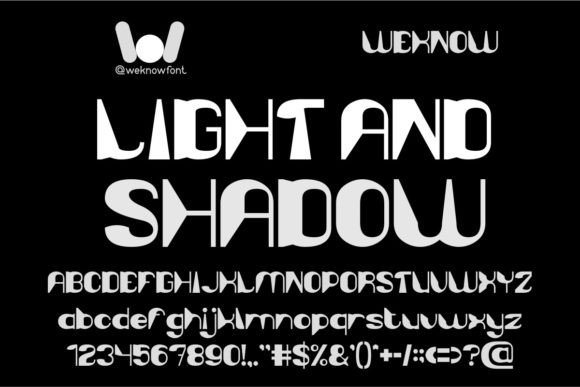
Light and Shadow: A Font with Personality for Bold Branding
There's a particular energy that comes from a typeface that doesn't just sit on the page but seems to move. It's the difference between a brand that whispers and one that waves its arms. If you've ever sketched a logo idea on a napkin and felt it lacked that essential spark of character, you know the feeling. You need a tool that translates that raw, creative energy into something polished and professional. Enter Light and Shadow, a display font built for exactly this kind of creative alchemy.
More Than Just Letters: The Cartoon-Style Charm
At first glance, Light and Shadow feels familiar, like a favorite animated title sequence or a comic book cover that always caught your eye. Its cartoon-style aesthetic is defined by soft, rounded edges and a subtle, playful weight that avoids feeling childish. This is the key distinction: it's a premium font with a personality that's approachable yet confident. The visual rhythm it creates is perfect for grabbing attention without shouting, making it an excellent choice for logo design, editorial design, and packaging design where you want to inject a sense of fun and approachability.
What makes it visually appealing is its balance. It has enough character to stand out in a headline but maintains a clarity that prevents it from becoming a visual puzzle. Think of it as the friendly, charismatic member of your font pairing toolkit. It pairs beautifully with cleaner sans serif fonts for body text, allowing its unique flair to shine in titles and calls to action while keeping longer paragraphs highly readable.
Practical Applications: Where This Font Truly Shines
Understanding a font's personality is one thing; knowing where to deploy it is where the real strategy comes in. This creative font isn't a one-trick pony. Its versatility is its strength, making it a valuable design asset for a wide range of projects.
For brand identity and corporate identity, especially for brands in the entertainment, food, lifestyle, or children's product sectors, Light and Shadow can become the cornerstone of a memorable visual system. Imagine it on a bakery's logo, a podcast cover, or the branding for a family-friendly event. It immediately communicates a specific vibe that serif fonts or standard sans serif fonts might not.
- Social Media & Digital Content: Its high legibility at various sizes makes it a star for Instagram graphics, YouTube thumbnails, and blog post titles. It stops the scroll.
- Packaging & Merchandise: On a coffee bag, a t-shirt, or a sticker, its bold presence ensures your product or merch stands out on the shelf or in a crowd.
- Print & Publications: Use it for magazine headers, book titles, or event posters. It brings a dynamic, contemporary feel to editorial design.
- Digital Products & Marketing: From email headers to e-book covers and online course branding, it helps create a cohesive and engaging web design experience.
Consider a small business owner launching a line of artisanal hot sauces. Using Light and Shadow for the logo and bottle labels instantly sets a tone of bold, fun, and slightly irreverent flavor—communicating the product's personality before the customer even reads the description. This is the power of matching modern typography to a project's core goals.
Strategic Typography: Making It Work for Your Project
Choosing a font is a strategic decision. Here’s how to approach using a display font like Light and Shadow effectively.
Define the Goal First. Are you aiming for playful excitement, retro nostalgia, or friendly professionalism? Light and Shadow leans into the first category. If your project requires solemn authority, it might not be the right fit, and that's okay. Knowing this saves you time and ensures your brand identity is coherent.
Test Your Pairings. Never use a display font alone for all text. Pair it with a neutral, highly readable typeface. For Light and Shadow, a simple geometric sans serif font for body copy or a clean script font for accent text can create a beautiful hierarchy. Always test how they look together in your actual layout, not just in a font preview window.
Consider Readability Context. This font is designed for impact, not for setting long paragraphs of body copy. Use it for short, high-impact text: headlines, logos, subheadings, and pull quotes. For anything longer, switch to your chosen companion font. This practice is fundamental to good web design and print layout.
Review the Font Styles. Does the typeface come with multiple weights or styles? A robust family might include Regular, Bold, and Outline versions. Having these options gives you more creative flexibility within a single, cohesive look, which is invaluable for creating depth in a logo or a multi-page design asset like a media kit.
The Final Consideration: Licensing and Longevity
Before you fall in love with any commercial font, always check the licensing. For Light and Shadow, ensure the license covers your intended use—whether it's for a single client project, unlimited commercial work, or specific mediums like print-on-demand merchandise. A clear license protects you and your clients and is a hallmark of a professional design asset.
Ultimately, the right font feels less like a tool and more like a collaborator. It should help you articulate a vision you already have in your head. For projects that demand a blend of approachability, energy, and visual distinctiveness, a cartoon-style display font like this one is worth serious consideration. It’s about finding that typeface whose voice aligns perfectly with the story you want to tell, ensuring your brand, your message, and your creative work are not just seen, but remembered.