Comic Boom: A Display Font That Demands Attention
Every designer knows the feeling: you're working on a project that needs personality, something that jumps off the screen or the page and grabs people by the collar. Maybe it's a game title, a comic book cover, a social media campaign, or a product label that has to stand out on a crowded shelf. You need a typeface that doesn't just sit there politely—it needs to perform. That's exactly where Comic Boom enters the conversation, a display font built for moments when subtlety is not the goal.
A Typeface with Real Energy
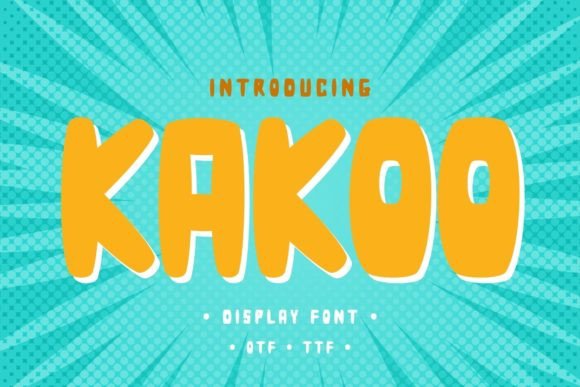
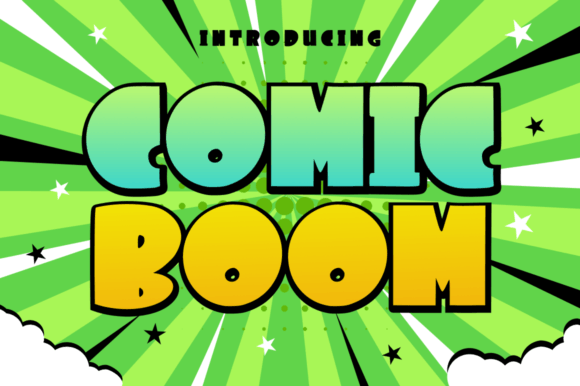
Comic Boom is a cool and fun display font, but calling it "fun" undersells what it actually brings to a project. There's a boldness to its letterforms, a sense of motion and volume that makes text feel alive. The strokes carry weight without feeling heavy, and the overall shape of each character suggests movement—like a word about to burst into action. This isn't a font you use for body copy in a legal document. It's the font you reach for when a headline needs to land with impact, when a title needs to feel like an event rather than a label.
What makes it visually appealing is the balance between playfulness and structure. Some display fonts lean so far into whimsy that they become hard to read or feel childish. Comic Boom avoids that trap. It has a jolly and whimsical accent, sure, but it also maintains enough consistency in its forms that it works in professional contexts. The letter spacing and proportions feel intentional, not chaotic. That combination—expressive but controlled—is what separates a useful creative font from a novelty that sits unused after one project.
Where This Font Actually Works
The practical applications for a typeface like this are broader than you might initially think. Yes, it's an obvious fit for game titles and comic branding. But the real value emerges when you start pairing it with projects that need a dramatic emphasis without crossing into garish territory.
Branding and Logo Design: If you're building a brand identity for something aimed at families, kids, entertainment, food, or any product that wants to feel approachable and energetic, Comic Boom can anchor a logo beautifully. It works especially well for brands that want to signal creativity, fun, or nostalgia without looking dated. Think of a children's bookstore, a family-friendly restaurant, a craft brewery with a playful personality, or a YouTube channel focused on gaming or animation.
Packaging and Product Labels: On a shelf, packaging has about three seconds to communicate what a product is and who it's for. A display font like Comic Boom can do that heavy lifting instantly. It tells the customer, before they read a single word of copy, that this product doesn't take itself too seriously. For snack foods, party supplies, candy, or novelty items, that first impression matters enormously.
Social Media Graphics: Platforms like Instagram, TikTok, and Pinterest are saturated with content. Posts that use bold, distinctive typography tend to stop the scroll more effectively than those relying on standard system fonts. Comic Boom works well for quote graphics, announcement posts, sale banners, and story templates. Its visual weight means it holds up even at smaller sizes on mobile screens, which is where most people will encounter it.
Posters and Event Materials: Whether it's a community fair, a concert, a school event, or a product launch party, posters need to communicate excitement quickly. This font delivers that energy without requiring additional design elements to do the heavy lifting. A simple layout with Comic Boom as the headline font can look polished and inviting.
Invitations and Personal Projects: For crafters and hobbyists, finding a premium font that feels special without being overly formal is a genuine challenge. Comic Boom fills that gap nicely for birthday invitations, party decorations, scrapbooking, and handmade cards. It has enough character to feel custom-made, which is exactly what personal projects need.
Editorial and Digital Content: Bloggers and content creators can use display fonts like this for chapter headings, pull quotes, or featured image overlays. It adds visual variety to long-form content and helps break up text-heavy pages. For editorial design in magazines or newsletters—especially those covering entertainment, lifestyle, or creative topics—it provides a natural sense of hierarchy and rhythm.
Getting the Most Out of Your Typography Choices
Choosing the right font style for a project isn't just about personal taste—it's about matching the typeface to the message and the audience. A font that looks fantastic on a gaming website might feel completely wrong on a financial services brochure, even if it's technically well-designed. Before committing to Comic Boom for a project, ask yourself a few practical questions:
- Who is seeing this? A typeface that resonates with parents shopping for children's products won't necessarily connect with college students browsing a tech startup's landing page. Know your audience's visual expectations.
- What's the emotional tone? Comic Boom communicates energy, playfulness, and approachability. If your project needs to convey authority, sophistication, or minimalism, a serif font or a clean sans serif font might be more appropriate.
- Where will it appear? A font that looks great on a 27-inch monitor might lose its impact on a business card. Test your choices at the actual sizes and formats where they'll be used.
Font pairing is another critical consideration. Comic Boom is a display typeface, which means it's designed for headlines and short bursts of text—not paragraphs. Pair it with a simpler, more readable typeface for body copy. A clean sans serif font like Montserrat or Open Sans creates a nice contrast without competing for attention. If you want something warmer, a simple handwritten font or a soft script font can complement the playful energy without overwhelming the layout. The key is contrast: the headline font and the body font should feel different enough that the hierarchy is immediately clear.
Readability and Professional Presentation
One concern with any display font is readability, and it's worth addressing directly. Comic Boom maintains solid legibility even at moderate sizes, which is a genuine advantage. Some expressive typefaces sacrifice letter clarity for stylistic flair, making them frustrating to read. This font strikes a reasonable balance, but you still want to be thoughtful about context. For very small text—captions, footnotes, legal disclaimers—switch to a more conventional typeface. Reserve Comic Boom for the moments where visual impact matters most: titles, headers, callouts, and featured text.
Professional presentation comes down to consistency. When you use a distinctive font like Comic Boom across your marketing assets—your website headers, your social media templates, your printed materials—you create a visual thread that ties everything together. That consistency builds brand recognition over time. People start to associate that typeface with your work, which is exactly how effective brand identity functions. The font becomes part of your visual signature, not just a decorative choice you made once.
Practical Considerations Before You Start
Before diving into a project with any creative font, take a few minutes to review what's actually included in the package. Display fonts sometimes come with multiple styles—bold, outline, shadow, or alternate character sets. Understanding what's available helps you use the typeface more effectively and avoid frustration later when you're looking for a variation that doesn't exist.
Commercial licensing is another detail that matters, especially for designers and business owners. If you're using a font for a client project, merchandise, or anything that generates revenue, make sure the license covers commercial use. Most premium font foundries offer clear licensing terms, but it's worth confirming before a project goes to print or goes live. This is one of those unglamorous details that separates professional work from amateur projects—and it protects you legally.
Finally, test before you commit. Set your actual headlines in the font. View them at the sizes they'll actually appear. Print a sample if the project involves physical materials. Look at the font on different screens and devices. Typography that looks perfect in a design file sometimes reveals issues in real-world application—spacing that feels off, letters that collide awkwardly, or weight that doesn't reproduce well at small sizes. Fifteen minutes of testing can save hours of revision later.
Comic Boom has the potential to become a go-to resource in your font library, the kind of typeface you reach for whenever a project needs that extra spark of personality. It won't be right for every job—and no single font should be—but for the projects that call for bold, expressive, and genuinely engaging typography, it delivers exactly what it promises. The best design assets are the ones that expand what you can create, and a well-chosen display font does precisely that.