Bento: The Display Font That Makes Brands Unforgettable
Every designer knows that moment—you're staring at a blank canvas, and the entire project hinges on finding that one typeface that feels both distinctive and versatile. Enter Bento, a premium display font that walks the line between bold sophistication and clean readability. It's the kind of typeface that makes people pause mid-scroll, the one that gives a logo its personality or a poster its magnetic pull. If you've been searching for a creative font that works across branding, editorial design, social media graphics, and packaging without losing its edge, Bento deserves a closer look.
A Typeface Built for Visual Impact
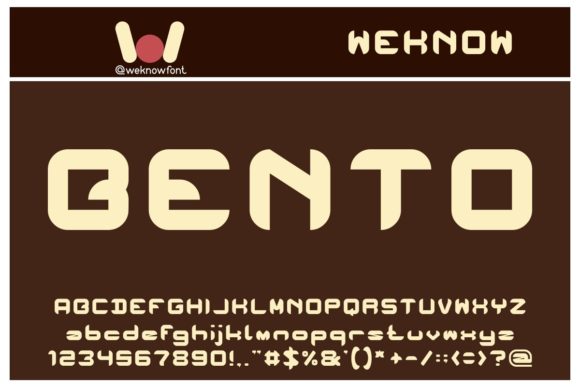
What sets Bento apart from the sea of modern typography options? Its character structure balances geometric precision with subtle organic warmth. The letterforms carry enough weight to command attention in headlines and logo design, yet they avoid the stiffness that plagues many display fonts. There's a rhythm to the way letters sit together—consistent spacing, thoughtful curves, and sharp details that hold up beautifully at both large and small scales.
This isn't a typeface that tries to do everything. It knows its role. Bento thrives in situations where you need text to carry visual weight without relying on heavy effects or elaborate styling. Think album covers, magazine headers, YouTube thumbnails, brand marks for lifestyle companies, and packaging for products that want to look premium without pretension. The font's personality leans confident and contemporary, making it a natural fit for businesses and creators who want their work to feel polished but approachable.
Where Bento Truly Shines
Let's get practical. A font is only as valuable as the projects it elevates, and Bento's strengths map directly onto some of the most common design needs professionals face today.
Brand Identity and Logo Design: Choosing a typeface for a logo is one of the highest-stakes decisions in any branding project. Bento's distinctive letter shapes create memorable wordmarks that hold their own alongside iconography. For startups building their first visual identity or established brands refreshing their look, this typeface provides a strong foundation that communicates modernity and intention.
Packaging Design: Shelf presence matters. Whether you're designing labels for a craft beverage line, cosmetics, or artisan food products, Bento gives packaging that editorial-quality feel. Its clean geometry ensures product names remain legible from a distance, while its stylistic character prevents designs from looking generic.
Social Media and Digital Content: Instagram posts, YouTube channel branding, podcast artwork, and TikTok overlays all demand fonts that pop at thumbnail size. Bento holds its clarity on screens, which makes it a reliable choice for content creators who need consistent visual identity across platforms. Pair it with a simple sans serif font for body text, and you've got a system that scales from Stories to full website headers.
Print and Editorial Layouts: Magazine covers, book titles, event posters, and invitation cards benefit from display fonts that feel intentional. Bento's weight and proportions give printed materials a professional presentation that amateur-looking typefaces simply can't match. It works especially well in editorial design where headlines need to anchor page layouts with authority.
Merchandise and Apparel: T-shirt graphics, tote bags, stickers, and branded merchandise require fonts that translate well to physical products. Bento's bold construction reproduces cleanly across printing methods, from screen printing to embroidery to digital direct-to-garment processes.
Pairing Bento with Other Typefaces
No font exists in isolation. The real power of any typeface emerges through thoughtful font pairing. Bento works exceptionally well alongside neutral sans serif fonts for body copy—think clean options that don't compete for attention. When you pair a display font like Bento with a straightforward companion, the contrast creates visual hierarchy naturally. Your headlines grab attention while supporting text stays readable and unobtrusive.
For projects that need a warmer touch, consider pairing Bento with a subtle handwritten font or script font for accent text. This combination works beautifully for wedding invitations, boutique branding, and lifestyle blogs where you want personality without sacrificing professionalism. The key is testing your pairings in context. Set them side by side in your actual layout rather than relying on font previews alone. Check how they interact at different sizes, on different backgrounds, and across both screen and print outputs.
Readability Considerations Worth Your Attention
Display fonts are designed for impact, not for setting paragraphs. Bento is no exception—it excels at large sizes where its design details become assets rather than obstacles. At headline scale, the letter spacing and character shapes create a confident rhythm that guides the eye across the text. At smaller sizes, though, those same details can compromise readability.
This isn't a flaw. It's how display fonts work. The practical takeaway is simple: use Bento for headlines, titles, logos, and short impactful text blocks. For longer passages, body copy, captions, and fine print, switch to a serif font or sans serif font optimized for extended reading. Understanding this division of labor between typefaces is what separates polished design from amateur work.
Also pay attention to color contrast when using Bento on digital platforms. A bold display typeface on a low-contrast background can become difficult to read even at large sizes. Ensure your text maintains strong contrast ratios, especially for accessibility compliance on websites and apps.
Licensing and Working with a Commercial Font
One detail that often gets overlooked until it's too late: font licensing. If you're using Bento for client work, commercial products, or business branding, verify that your license covers your intended use. Most premium font licenses distinguish between personal and commercial applications, and some require separate licenses for different contexts like desktop use, web embedding, or app integration.
Reading the license terms before purchasing saves headaches later. A commercial font used without proper licensing can expose your business or your client to legal risk. Reputable font marketplaces make licensing terms transparent, so take five minutes to review them. It's a small investment of time that protects your professional reputation and your projects.
Making the Most of Bento in Your Next Project
The best way to evaluate any typeface is to use it. Download Bento, set a few headline options for a real project, and see how it performs in your specific context. Test it in your logo concepts, mock up a social media post, lay out a poster design. Typography choices that look promising in a font preview sometimes fall flat in application—and vice versa.
Pay attention to how Bento interacts with your color palette, imagery, and overall design system. A great display font amplifies the other elements around it. It doesn't shout over them. When everything clicks—the right typeface, the right pairing, the right context—your design stops looking like a collection of parts and starts feeling like a cohesive visual statement.
That cohesion is what builds brand recognition. It's what makes a magazine spread feel intentional, what makes a product package feel trustworthy, and what makes a social media feed feel professional. Bento gives you a strong starting point for all of that. What you build with it depends on your vision and your willingness to experiment.