Family Tree: A Display Font That Brings Warmth and Sophistication to Your Projects
There’s something undeniably powerful about a typeface that feels both familiar and fresh. That’s the feeling you get with Family Tree, a display font that doesn’t just sit on a page—it tells a story. Whether you’re sketching out a new brand identity or designing a poster that needs to stop someone mid-scroll, the right font choice is the silent workhorse of effective visual communication. It sets a mood, builds trust, and can make the difference between a design that feels amateur and one that commands attention. For creators who need their work to resonate, understanding the strengths of a typeface like Family Tree is a practical first step.
More Than Just Letters: The Character of This Typeface
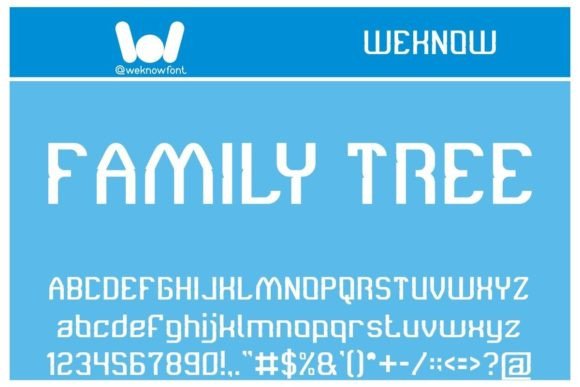
At its core, Family Tree is a premium font with a distinct personality. It’s classified as a display font, meaning it’s designed for impact at larger sizes—think headlines, logos, and titles rather than body text. What makes it visually appealing is its blend of elegance and approachability. It carries the weight and structure of a serif font, giving it a classic, trustworthy feel, but with softer, more organic curves that prevent it from feeling stiff or overly formal. This unique balance makes it incredibly versatile. It can feel luxurious on a high-end product label, whimsical on a children’s book cover, and confidently modern on a tech startup’s website. The included font styles often provide variations in weight and texture, allowing for subtle hierarchies and emphasis within a single typeface family, which is a huge asset for maintaining visual consistency.
From Brand Boards to Social Media Feeds: Real-World Applications
The true test of any design asset is how it performs in the wild. Family Tree shines across a spectrum of projects where personality and professionalism are key. For logo design and brand identity, it provides a strong foundation. A bakery might use it to convey handmade warmth, while a boutique consultancy could leverage its sophisticated serif qualities to suggest expertise and heritage. Its legibility at scale makes it perfect for packaging design, where a product name needs to be clear from a shelf distance.
In the digital realm, this creative font is a powerhouse. Imagine a YouTube thumbnail or an Instagram story where the text needs to grab attention instantly—the bold, distinctive letterforms of Family Tree do exactly that. For web design, it can create stunning hero sections or blog titles that improve audience engagement. It’s equally at home in editorial design for magazine headers or book titles, and in creating elegant invitations or event posters. For entrepreneurs developing merchandise, from t-shirts to mugs, a well-chosen display font like this becomes an integral part of the product’s appeal.
Practical Tips for Using a Display Font Effectively
Choosing a beautiful font is only half the battle; using it well is what separates good design from great. Here’s how to integrate a typeface like Family Tree into your workflow for maximum impact.
Pair with Purpose: A display font is meant to be the star, but it needs supporting actors. The classic rule of pairing a serif with a sans serif font works wonderfully here. Use Family Tree for your main headline, and pair it with a clean, neutral sans serif like Open Sans or Lato for body text. This creates a clear hierarchy that guides the reader’s eye and enhances readability. Avoid pairing it with another ornate script font or handwritten font, as this can create visual clutter.
Context is King: Always consider the project’s goal. For a formal wedding invitation, you might use its most elegant weight. For a rock band’s gig poster, a distressed or bold version could be more fitting. Test it in context—mock up your logo on a business card, see how your website headline looks on a mobile screen, or print out a sample of your poster design. This hands-on testing is crucial for ensuring the font delivers the right emotional punch.
License and Logistics: Before you finalize a design for a client or a commercial product, double-check the commercial font license. Most premium fonts, including quality display typefaces, come with clear licensing for personal, commercial, and sometimes extended use. Understanding this upfront prevents legal headaches down the road and is a mark of a professional designer or business owner. It ensures your brand identity is built on a solid, legal foundation.
Elevating Your Visual Story
Ultimately, typography is about communication. A font like Family Tree offers a specific voice—warm, sophisticated, and memorable. It’s not just about making words look nice; it’s about choosing a visual language that aligns with your message and speaks directly to your intended audience. By leveraging its strengths in the right contexts and pairing it thoughtfully, you can create designs that are not only beautiful but also effective, building stronger brand recognition and a more professional presentation across all your creative endeavors. It’s a tool that, when used with intention, can help root your project in a visual style that feels both timeless and uniquely yours.