Kashmiri: The Display Font with a Modern Oriental Soul
There's a particular kind of visual language that feels both ancient and utterly contemporary. It's in the sweeping lines of a Dubai skyscraper's logo, the elegant branding of a boutique hotel in Marrakech, or the sophisticated packaging of a niche perfume inspired by the Silk Road. This aesthetic, a blend of classic calligraphic flow and modern minimalism, is what the Kashmiri font captures so beautifully. It’s not just a collection of letters; it’s a vibe, a mood, and a powerful tool for designers and brand builders looking to inject a specific, chic Oriental elegance into their work.
More Than Just Letters: The Visual Personality of Kashmiri
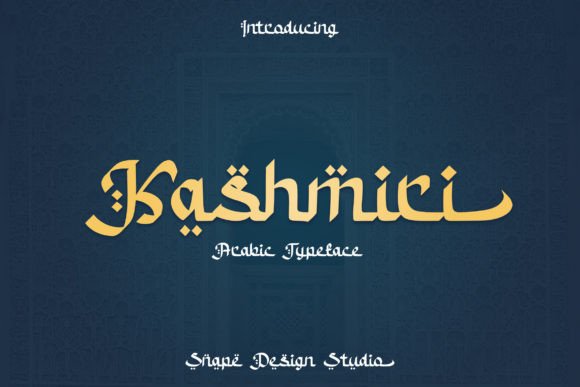
At its core, Kashmiri is a display font, meaning it's designed to make a statement in headlines, logos, and prominent text. Its DNA is clearly inspired by Middle Eastern Arabic calligraphy, but it’s been refined and stylized for contemporary Latin-script projects. You won't find rigid, mechanical lines here. Instead, the typeface features fluid curves, thoughtful ligatures where letters connect in unique ways, and a balanced rhythm that feels both organic and intentional. The overall effect is one of stylish sophistication—it whispers of quality, culture, and a certain worldly refinement without saying a word.
What makes this particularly useful is its PUA encoding. For the non-designer, this simply means every special character, swash, and ligature is easily accessible. You don't need advanced software skills to unlock its full potential. In applications like Adobe Illustrator, Photoshop, or even Canva Pro, you can explore the glyphs panel to find alternate characters that can transform a simple word into a custom logomark. This accessibility turns a great creative font into a versatile design asset.
Where This Typeface Truly Shines: Practical Applications
The real value of a font like Kashmiri is measured in how it performs across different mediums. Its personality is best suited for projects where first impressions and brand perception are critical. Think of applications where you want to convey luxury, heritage, craftsmanship, or a modern global perspective.
- Branding & Logo Design: This is Kashmiri's sweet spot. For a boutique hotel, a high-end jewelry line, a gourmet food brand, or a wellness retreat, this typeface can become the cornerstone of a brand identity. A logo set in Kashmiri instantly communicates a specific aesthetic, helping with brand recognition and setting you apart from competitors using generic sans-serifs.
- Packaging & Merchandise: On a bottle of artisanal olive oil, a box of luxury dates, or the label of a premium tea blend, Kashmiri adds perceived value and tells a story of origin and quality. It’s equally effective on merchandise like tote bags or notebooks for a brand that leans into this elegant style.
- Editorial & Print Layouts: Use it for magazine headlines, chapter titles in a book, or the cover of a lookbook. Paired with a clean, readable sans serif font for body text, it creates a beautiful contrast that guides the reader's eye and enhances the professional presentation of the publication.
- Digital Presence: A website hero section, a blog title, or social media graphics for platforms like Instagram and Pinterest can be dramatically elevated. It stops the scroll, makes your content look curated, and boosts audience engagement by presenting information in a visually compelling way. It’s a fantastic choice for social media graphics that need to look premium and intentional.
- Invitations & Event Collateral: For weddings, galas, or corporate events with a global or luxurious theme, Kashmiri sets the tone perfectly on invitations, programs, and signage.
Using Kashmiri Effectively: A Designer's Practical Guide
Having a beautiful premium font is one thing; using it well is another. Here’s how to integrate a typeface like Kashmiri into your projects with intention.
Pairing is Everything. Because Kashmiri has such a strong personality, it demands a quiet, supportive partner. A timeless, geometric sans serif font (think Montserrat, Lato, or Futura) is almost always a safe and stylish bet. Avoid pairing it with another ornate script font or a handwritten font, as they’ll compete for attention and harm readability. The goal is contrast, not chaos.
Mind the Context and Readability. This is a display face, not a body text font. Using it for long paragraphs would be a readability nightmare. Reserve it for short, impactful text: headlines, logos, pull quotes, and buttons. Always test it at the size it will be viewed. A beautiful ligature that looks stunning on a large poster might become an illegible blob in a small mobile header.
Explore the Glyphs. Don’t just type and go. Take ten minutes to open the glyphs panel in your design software. You might find alternate initial or terminal letters, decorative swashes, or unique ligatures that can turn a standard word into a bespoke piece of typography. This is where you unlock the font's full creative potential for logo design or custom monograms.
Consider the Licensing. Before using Kashmiri for a client project or commercial product, ensure you have the correct commercial font license. Most reputable font marketplaces are clear about this. For personal projects or non-commercial use, the rules are often more relaxed, but for anything you plan to sell or use for a business, proper licensing is non-negotiable. It protects you and respects the work of the type designer.
A Tool for Storytelling in Design
Ultimately, a typeface like Kashmiri is more than a design asset; it's a storytelling device. It doesn’t just spell out a name; it communicates a feeling, an origin, a set of values. In a crowded visual landscape, having a distinct and well-chosen typographic voice is a strategic advantage. It brings visual consistency to a brand across all touchpoints, from a website to a product label, making every interaction feel cohesive and intentional. Whether you're a designer crafting a new brand identity, a small business owner launching a product line, or a content creator building a recognizable aesthetic, understanding how to wield a characterful font like this is a skill that pays dividends in audience perception and engagement. It’s about choosing your visual words as carefully as you choose your written ones.