Groster: A Fresh Take on Modern Display Typography
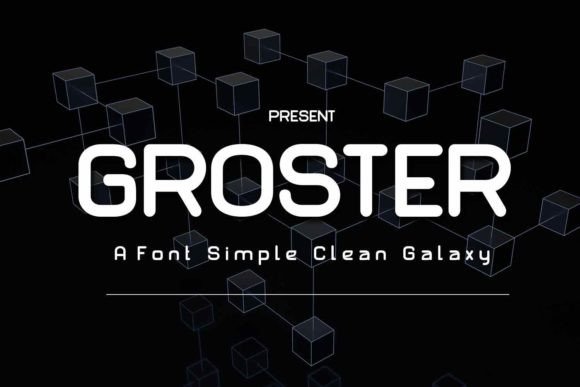
Every so often, a typeface comes along that feels both familiar and refreshingly new. That's the sensation you get when you first encounter Groster. It’s a display font that doesn’t try to shout over everything else in the room; instead, it confidently holds its ground with a clean, tech-friendly aesthetic. The built-in charm isn’t an accident—it’s a deliberate design choice that bridges the gap between sterile minimalism and overly decorative styles. For anyone working on a project that needs to feel current, approachable, and slightly distinctive, this typeface offers a compelling starting point.
A Typeface Built for Clarity and Character
What immediately sets Groster apart is its construction. The letterforms are built on a foundation of clarity. There’s a consistent weight and a balanced x-height that ensures words remain legible even at smaller sizes or from a distance. This isn’t a font that sacrifices function for form. The modern look isn’t achieved through complex ligatures or dramatic swashes, but through thoughtful proportions and a subtle geometric influence. Each character feels considered, creating a rhythm in text that is easy on the eyes. This makes it a versatile player in your design toolkit, suitable for both bold headlines and supporting text where a touch of personality is needed without compromising readability.
Practical Applications Across Creative Projects
Thinking about where Groster fits into real-world work? Its strength lies in its adaptability. Consider its role in brand identity. For a startup or a small business, choosing a primary typeface is a foundational decision. Groster’s friendly yet professional demeanor makes it ideal for logos, business cards, and stationery. It communicates modernity without feeling cold, which is a delicate balance for any brand trying to connect with a contemporary audience.
Moving into packaging design, the font’s clean lines become a major asset. On a crowded shelf, a product needs to convey its information quickly. Groster excels here for item names, key descriptors, and nutritional information. Its tech-friendly vibe also aligns perfectly with products in the tech, lifestyle, or artisanal food sectors. Similarly, for social media graphics—where attention spans are short—a bold, clear display font can make a thumbnail or a promotional post instantly more clickable. It helps create a consistent visual language across your Instagram stories, Facebook ads, and Pinterest pins.
Enhancing Your Visual Communication
Using a font like Groster effectively goes beyond just picking it from a dropdown menu. It’s about understanding how it improves your project’s overall communication. First, it aids in visual consistency. By using the same core typeface across your website, your PDF guides, and your printed flyers, you create a subconscious thread that ties all your materials together. This builds brand recognition; your audience starts to associate that specific typographic voice with your business.
Second, it contributes to professional presentation. A mismatched or poorly chosen font can make even the best content look amateurish. Groster’s polished appearance lends credibility to digital products like e-books, online course materials, and marketing PDFs. Finally, it can boost audience engagement. A font that’s easy to read and aesthetically pleasing keeps people on your page longer, whether they’re reading a blog post, browsing a product catalog, or scanning an event invitation.
Making the Most of a Modern Typeface
Integrating a new font into your workflow is a practical exercise. Start by exploring the full family. Does Groster come with multiple weights—light, regular, bold? Understanding the range of styles included is crucial. A bold weight might be perfect for your main headline, while the regular weight handles the body text. Next, always test font pairings. Groster’s clean, slightly geometric nature pairs well with a wide range of other fonts. Try it with a simple sans-serif for a ultra-modern tech look, or contrast it with a subtle, elegant serif for a design that feels both contemporary and classic. The goal is to create hierarchy and interest, not monotony.
Always prioritize readability in your specific context. A font that looks great on your 27-inch monitor might be different on a mobile phone screen. Test it at the sizes it will actually be used. Finally, if you’re using it for commercial projects—like merchandise, client work, or products for sale—always review the licensing. Ensuring you have the proper commercial license for a premium font is a non-negotiable step in professional design. It protects you legally and respects the work of the type designers.
Where Design Meets Strategy
Ultimately, typography is a silent ambassador for your brand. Choosing a typeface like Groster is a strategic decision. It’s a tool that helps translate your brand’s personality—whether it’s innovative, reliable, playful, or sophisticated—into a visual form. It’s not just about what the letters look like; it’s about the feeling they evoke and the message they subtly reinforce. For the designer crafting a brand system, the entrepreneur building a website, or the content creator developing a visual style, having a reliable, charming, and versatile display font in your arsenal is invaluable. It allows you to focus on your message, knowing the visual foundation is solid, modern, and ready to make your work stand out.